Table Of Content
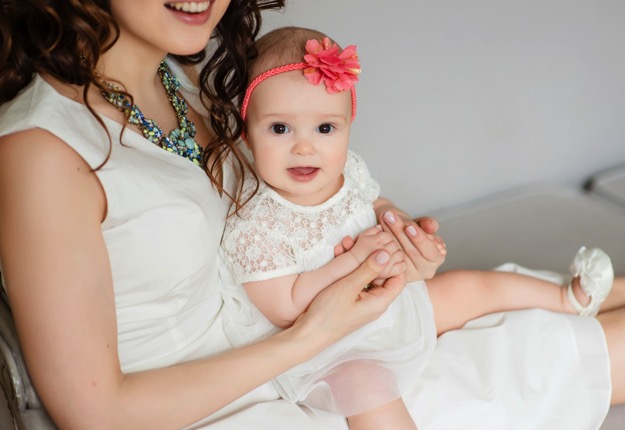
Avoid anything that consistently pulls the hair, like a tight headband. The hair, just like everything else, is still new and very sensitive. If your baby girl is born with thick locks, you may feel the urge to put in a few clips and bows. Helping your baby strengthen their neck muscles will also help them reach other milestones. Movements like push-ups, rolling, crawling, and standing are based on your baby’s ability to lift their head.
Ways to Prevent Hair Loss in Babies
The rate at which their hair will grow is highly individual. Baby hair loss is common and can largely be chalked up to hormonal shifts. You can't stop your baby's hair from going through its natural shedding process. However, if you observe bald patches on one area of your baby's scalp, you may want to pay attention to how they sleep or lay back against a car seat or stroller. Others have a smattering of strands and many have only peach fuzz.
Baby nearly loses toes after strand of mother's hair cuts off circulation - TODAY
Baby nearly loses toes after strand of mother's hair cuts off circulation.
Posted: Thu, 04 Oct 2018 07:00:00 GMT [source]
My newborn is totally bald, when will they grow hair?
There are several speculations as to why babies lose their hair. One such speculation is the attribution of hair loss in babies due to constant friction as the baby’s hair rubs against the pillow. However, the pillows are not to blame for your baby’s hair loss as they occur due to physiologic hair activities. Please note that the new mature hair might look different from the initial birth hair of your baby.
How To Create a Secure Attachment With Your Baby
Traction alopecia is the result of environmental factors, such as wearing your hair in tight hairstyles, Agbai says. Telogen effluvium refers to the excessive shedding of hair follicles, and it occurs when hair follicles prematurely skip to the end of the hair growth cycle, she adds. But most likely, none of the serious causes listed for telogen effluvium — like physical or emotional stress, chronic illness, and anemia — are behind your baby’s hair loss. On the bright side, there is less work cleaning their hair. Use a washcloth to gently clean their scalp and make sure you keep an eye out for when the fuzzy new hair comes in, because it will.
Cradle Cap: Causes, Prevention, And The 10 Best Treatment Methods

Your baby may have been born with a head full of thick hair, but it doesn’t mean it will stay like that. And, rest assured that it’s free of parabens, phthalates, and phenoxyethanol. Seborrheic dermatitis is the scientific name for cradle cap and, simply put, it shows up as patches of irritated, oily, red, or yellow skin.
Born with little hair?
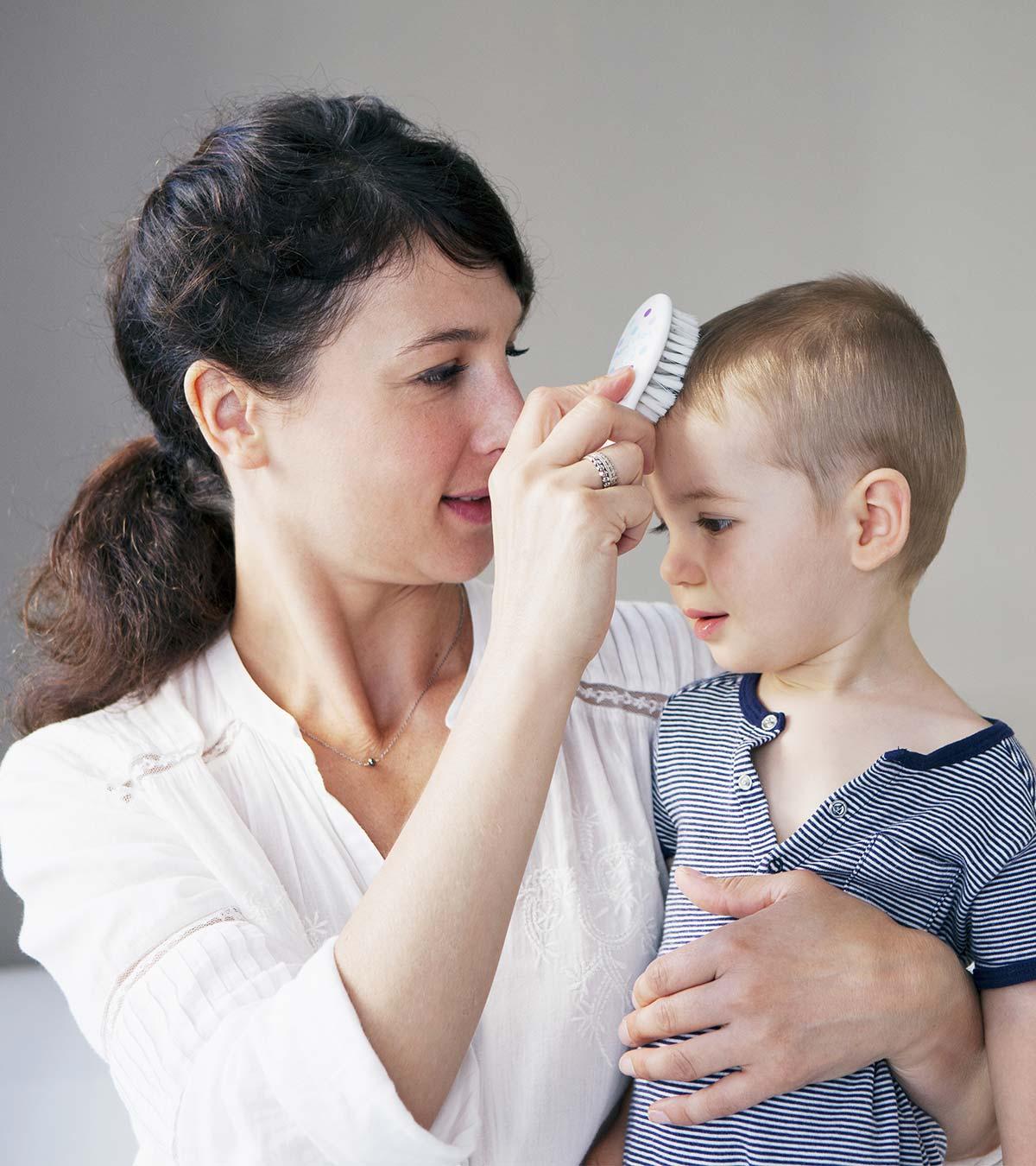
Here’s how to keep those newborn strands silky and smooth. Taking care of the way you handle your newborn's hair may also help prevent them from losing a large number of locks all at once. "Be gentle when brushing their hair or washing during bath time," advises Dr. Ball.
The ray of hope – serious hair loss issues in newborns are rare. While every baby has different regrowth patterns, yours will have beautiful trees by their first birthday. The good news is, newborn hair loss is perfectly normal and nothing to worry about. It tends to happen to the majority of babies during the first 6 months of their lives. You may find yourself joking about how those heartburn rumors must be true, how their hair makes them look just like their Dad, or even marvel in the shock of unexpected hair color.
The ends of a baby's hair are tapered, and cutting them just leaves them truncated and temporarily looking darker and thicker. Baby baldness can rarely be caused by fungus or it can be an autoimmune condition. All babies will have their hair in eventually, and before you know it you’ll be bribing them to let you brush their hair or planning a first haircut. Since ringworm is very contagious, it would be helpful if you treat other affected children. Also, ensure you keep good hygiene and try not to share pillows, clothes, and combs, as they can cause a re-infection. Every little peanut is unique—and the time when their permanent hair appears is just one more reminder of that.
If you are noticing a small patch where soft little hair strands seem to be coming away from the same area it might be because of friction to the back of their head. It might even be different in color and texture from what they started with. Even though they might go through a few patchy months, your little peanut will grow a full head of their own hair eventually. Now that you’re no longer pregnant, you may be noticing a few changes yourself due to these hormones decreasing. But some newborns arrive complete with a thick mane of hair.
While ‘The Pulse’ is no longer available for access, we encourage anyone with medical questions or concerns to seek the advice of their healthcare professionals. Your health and well-being are of utmost importance, and consulting with qualified medical professionals ensures personalized and accurate guidance. While a few babies come out with perfectly styled locks, many start off with a spiky mohawk, tufted patches or the scraggly comb-over of a little Homer Simpson. We believe you should always know the source of the information you're reading. Learn more about our editorial and medical review policies.
While you don’t care what your little one has — or doesn’t have — on top of their head, you might still have a few questions about your baby’s hair. This is completely understandable, as it can be hard to know what’s normal and healthy as a new parent. For example, some babies are born as bald as can be, while others are born with a bushy hairdo. Whilst it doesn’t cause hair loss, treating cradle cap or trying to gently brush or rub away the scales can cause some of the hair to come away too.


No comments:
Post a Comment